Sarah Lamb, Anthropologist
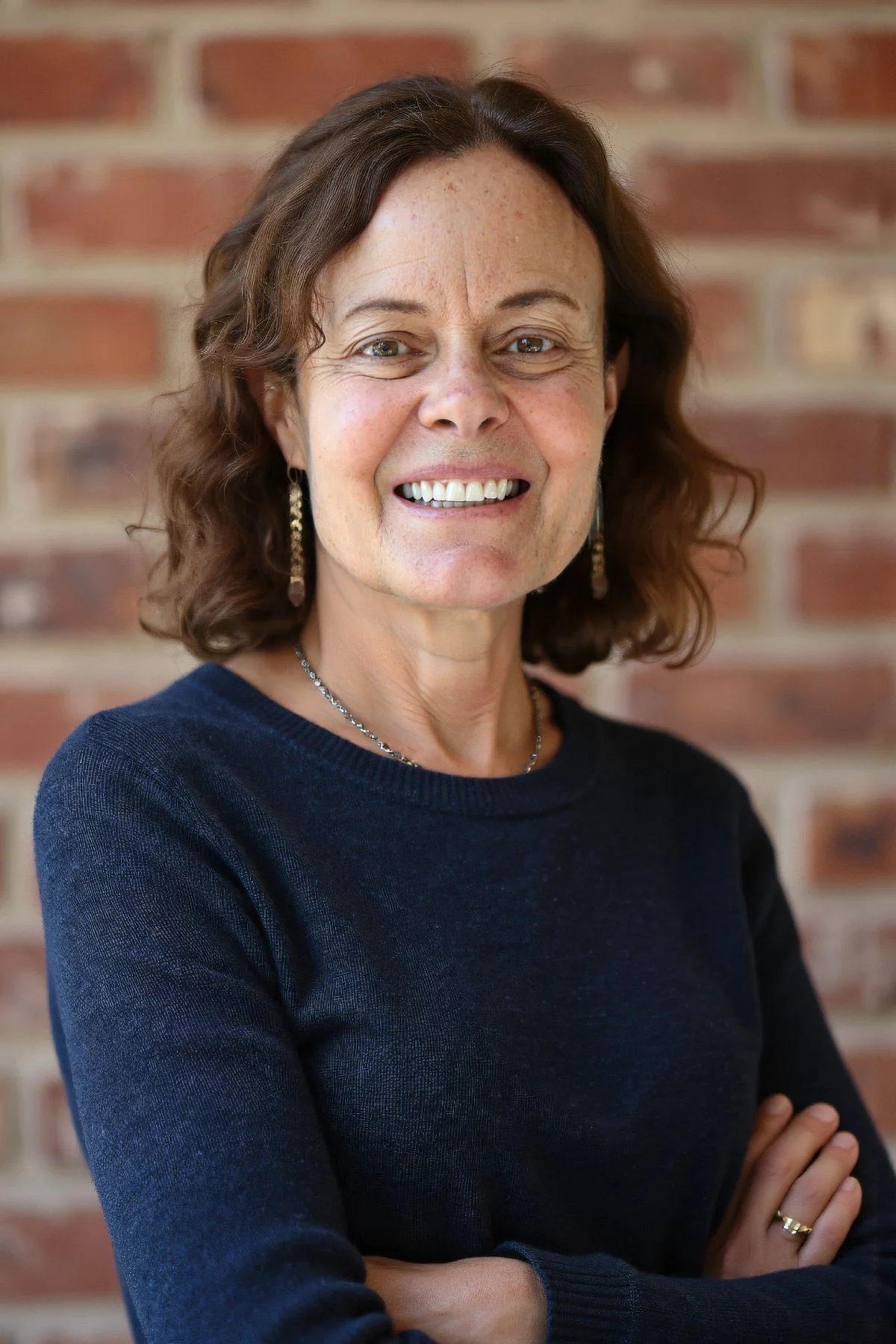
Sarah Lamb is the Barbara Mandel Professor of Humanistic Social Sciences and Professor of Anthropology at Brandeis University. She is a cultural and medical anthropologist whose research focuses on aging, gender, kinship, and personhood in South Asia, especially India, and the United States. Lamb has conducted fieldwork in India over the past thirty-five years, and her most recent research critically examines contemporary obsessions with “successful aging” in the United States. Studying aging, Lamb believes, offers an illuminating window into any nation's social-moral systems and cultural visions: of who we are as human beings and how best to live.
About Sarah
Research
Invite
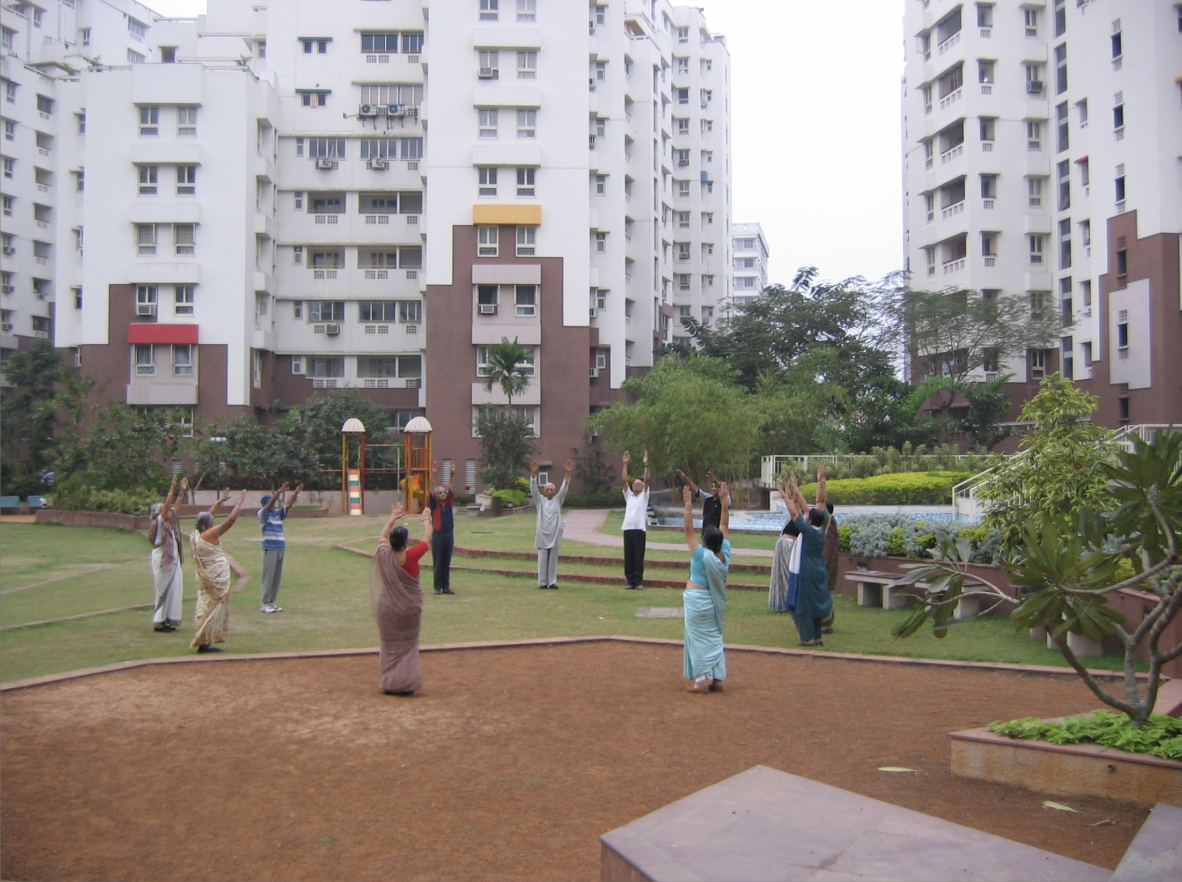
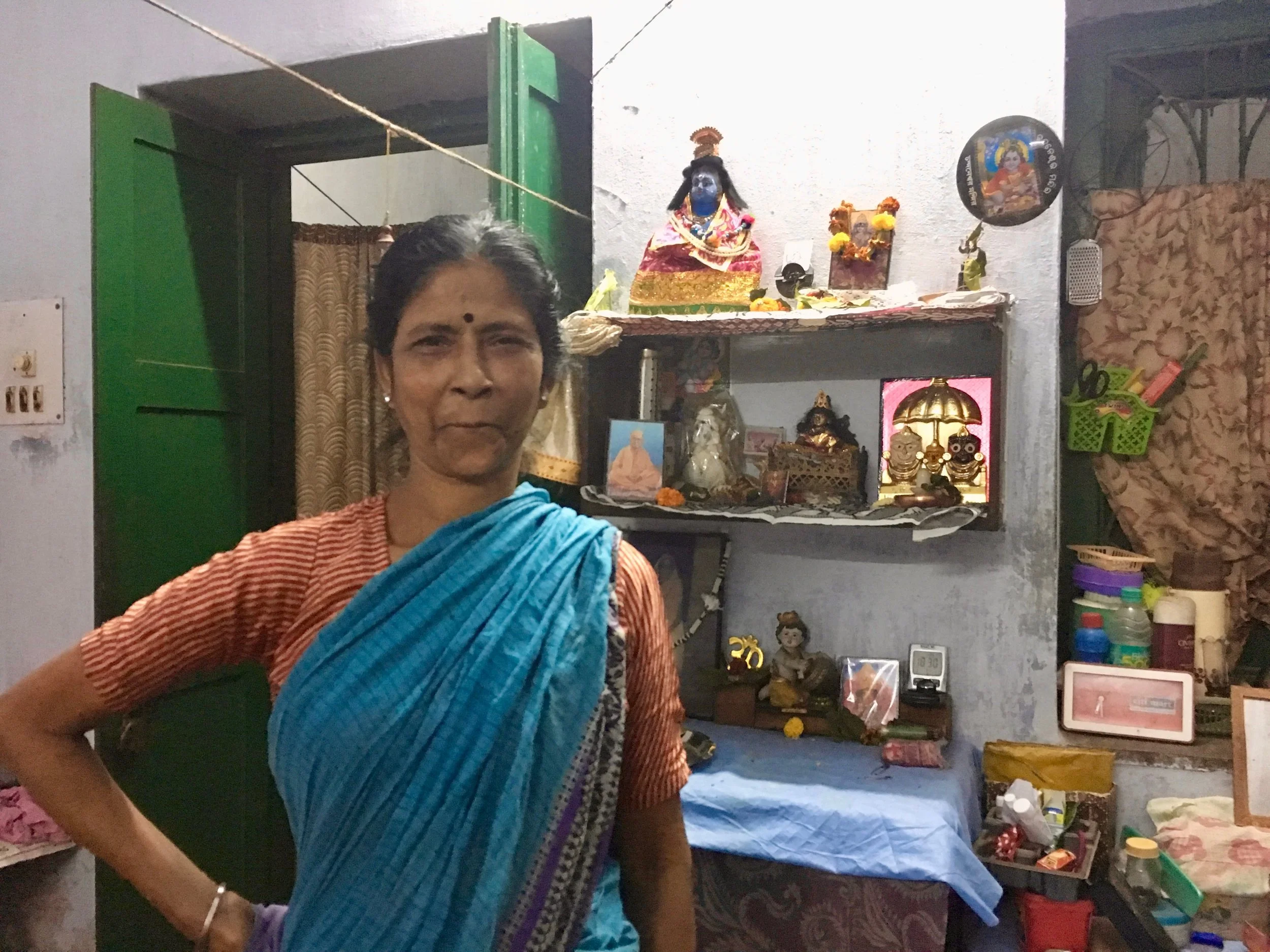
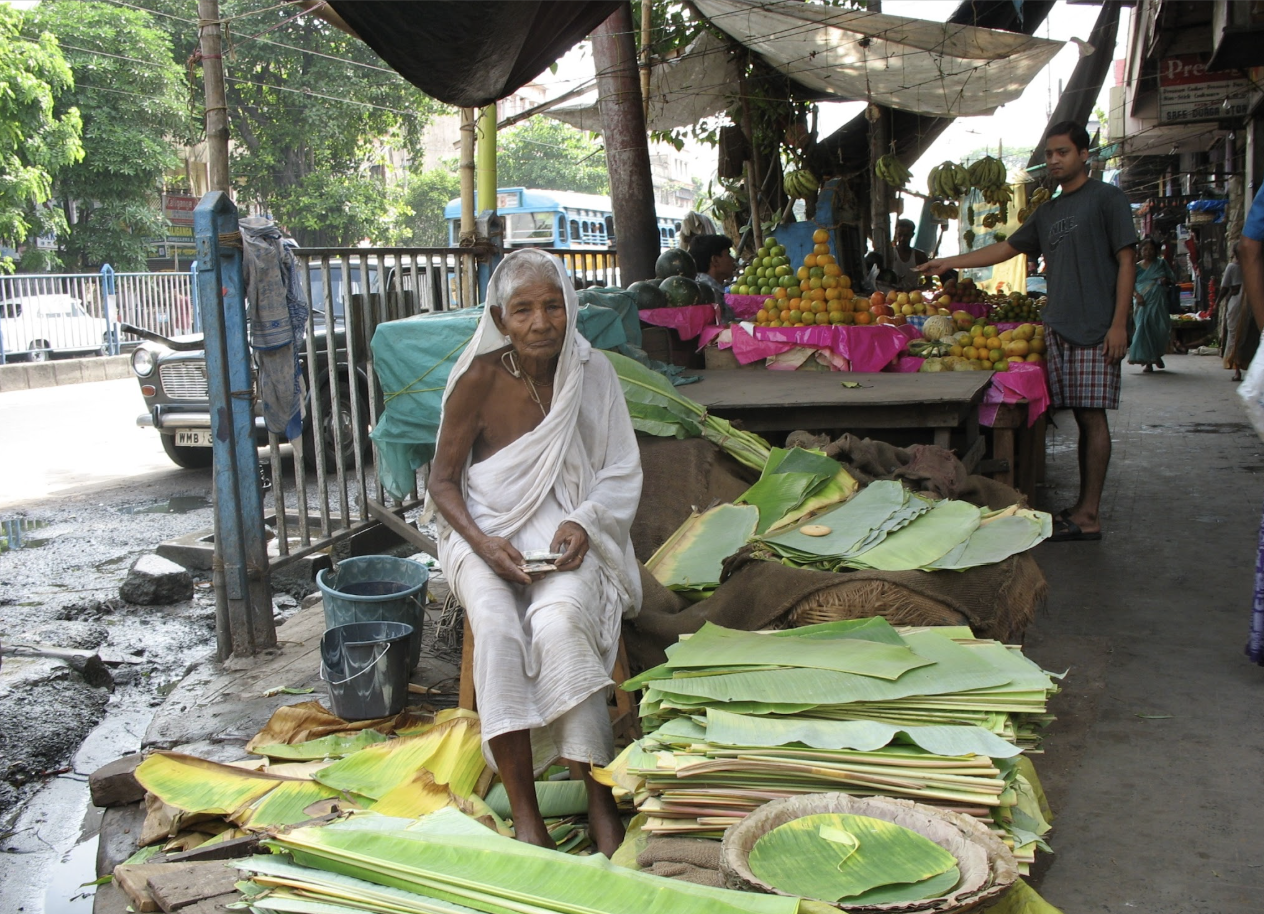
Sarah Lamb is currently working on a new book: I’d Rather Be Dead than Old, and Other Visions and Dilemmas of Aging Well (work in progress), which delves into the paradox of a contemporary culture obsessed with “successful aging” yet deeply uneasy with old age itself. Blending stories from the United States and India—and reflections from her own life—anthropologist Sarah Lamb explores how people variously embrace, resist, negotiate, and reimagine dominant ideals of aging well.
She is happy to talk (virtually or in person) about this project or, more broadly, about aging, singleness, family, and gender.