Research
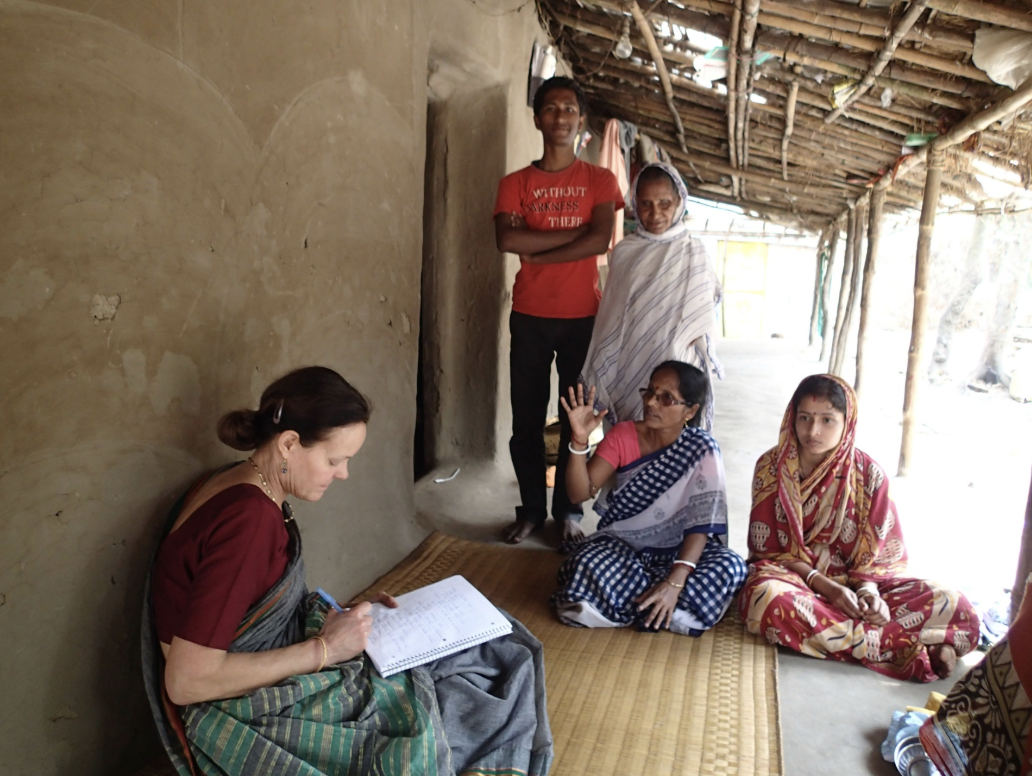
Sarah Lamb is a cultural and medical anthropologist whose research focuses on aging, gender, families, ethical strivings, and understandings of personhood in India and the United States. She has conducted research in West Bengal and among Indian immigrants to the United States, as well as native-born Americans in the San Francisco and Boston areas and the US South.
Aging
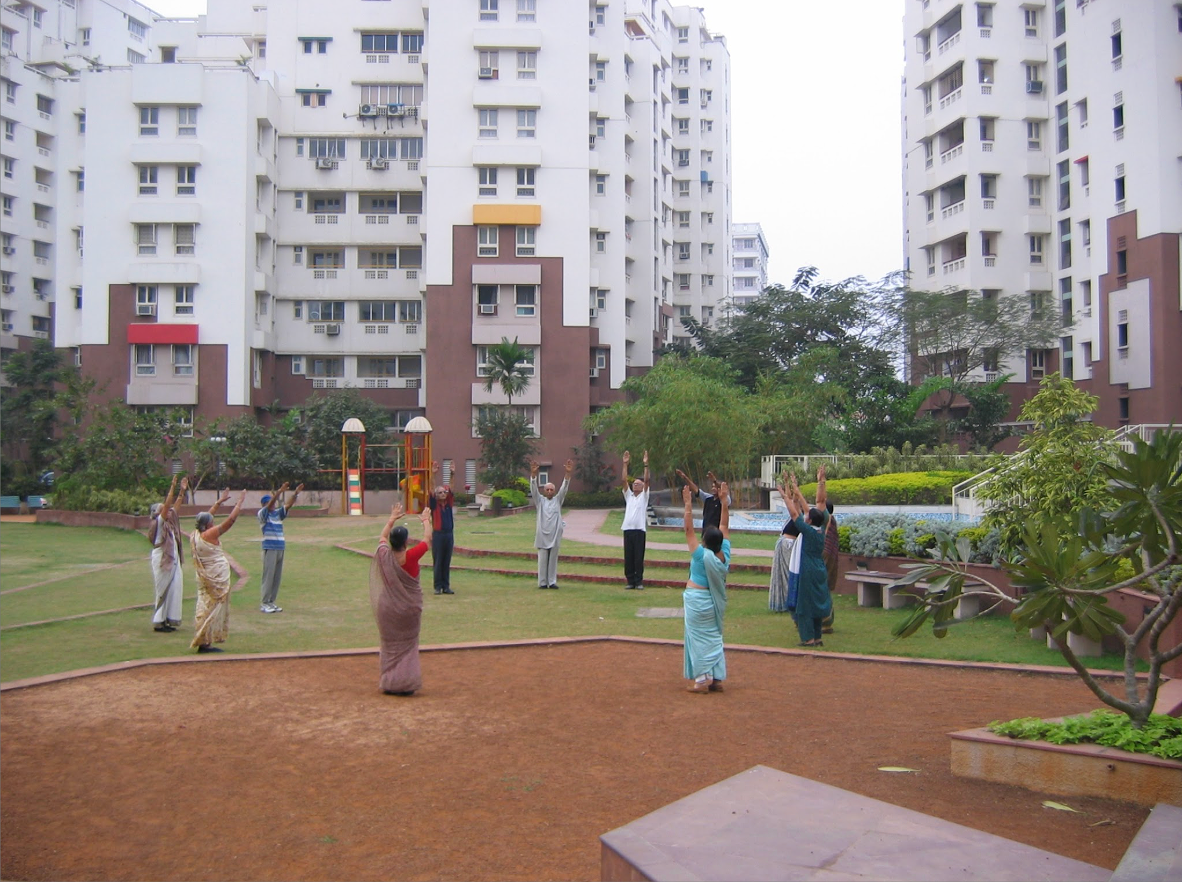
Sarah Lamb is widely recognized for her influential research on aging and the life course in South Asia and the United States. Through long-term ethnography and relationship-based fieldwork, Lamb’s scholarship highlights aging as a deeply social, moral, and cultural process. Cultural narratives surrounding old age reveal moral value systems, medical-scientific principles and aspirations, the workings of biopolitical governance, and big existential questions about the meanings of life and the afterlife. Lamb’s writings on these topics include:
(2025) “Successful aging’s global moment: Visions and dilemmas of aging well.” HAU: Journal of Ethnographic Theory, 15(1), 8–25. https://doi.org/10.1086/734825
(2023) “Who wants to have an aged self if to age is so bad? Ageless and aged selves as cultural constructs.” Anthropology & Aging, 44(1), 107–110. https://doi.org/10.5195/aa.2023.479
(2019) “On being (not) old: Agency, self-care, and life-course aspirations in the United States.” Medical Anthropology Quarterly, 33(2), 263–281. https://doi.org/10.1111/maq.12498
(2017) Successful Aging as a Contemporary Obsession: Global Perspectives (editor and contributor)
(2014) Permanent personhood or meaningful decline? Toward a critical anthropology of successful aging. Journal of Aging Studies, 29, 41–52. https://doi.org/10.1016/j.jaging.2013.12.006
(2009) Aging and the Indian Diaspora: Cosmopolitan Families in India and Abroad.
(2000) White Saris and Sweet Mangoes: Aging, Gender, and Body in North India.
Lamb’s current book project–I’d Rather Be Dead than Old: Visions and Dilemmas of Aging Well–delves into the paradox of a contemporary culture obsessed with “successful aging” yet deeply uneasy with old age itself. Blending stories from the United States and India—and reflections from her own life—anthropologist Sarah Lamb explores how real people variously embrace, resist, negotiate, and reimagine dominant ideals of aging well.*
Gender
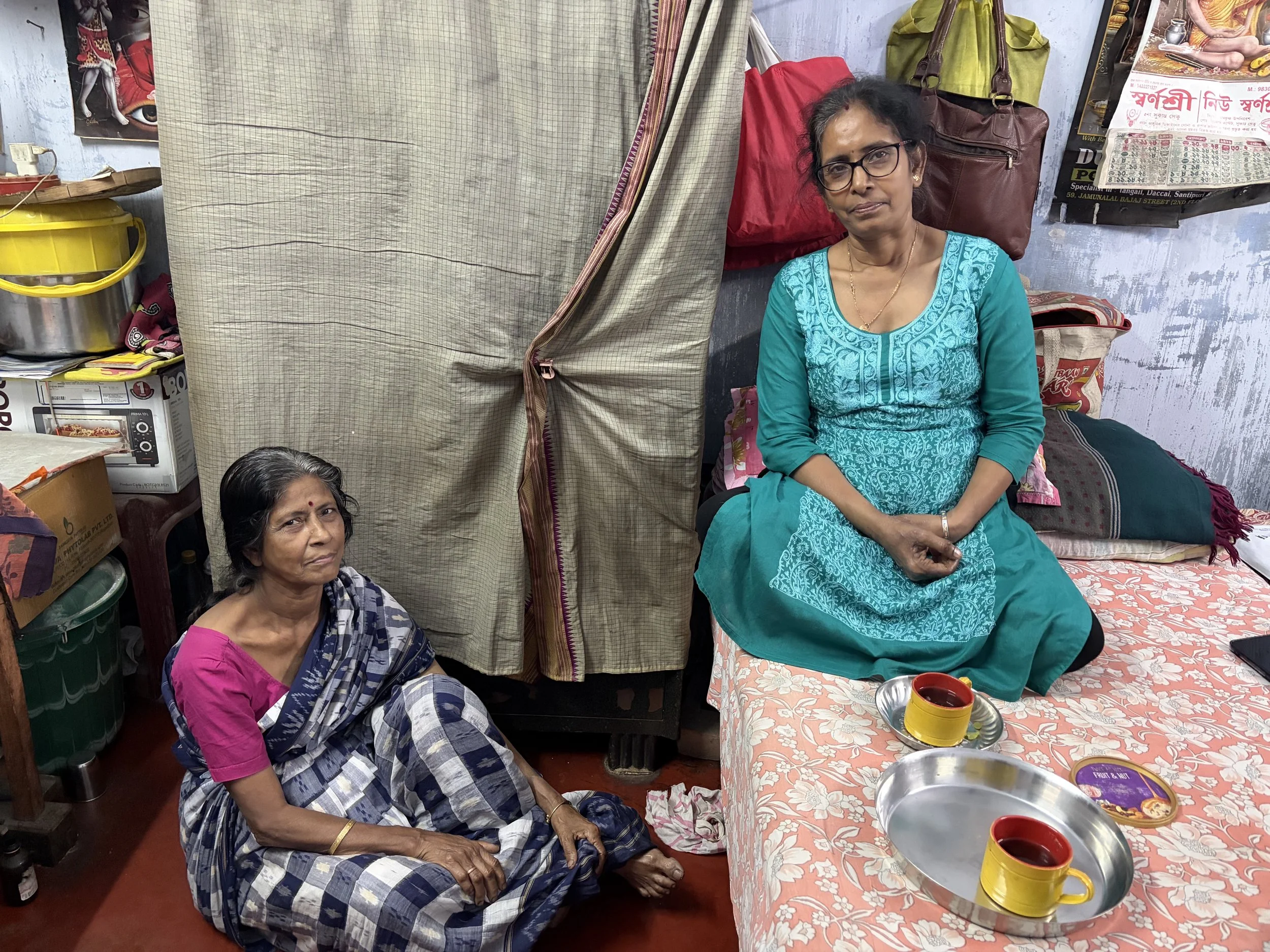
Sarah Lamb’s scholarship places gender at the center of questions surrounding aging, family, embodiment, and social change. Her ethnographic research explores how gendered identities, expectations, and forms of power are shaped and renegotiated across the life course. In White Saris and Sweet Mangoes (2000), Lamb examines the lives of older women and men in Bengali society, highlighting the complex and often ambiguous forms of authority, constraint, and agency that emerge especially for women in later life. This work, along with articles such as “Being a Widow and Other Life Stories,” (2008) also explores why widowhood in India has historically carried such profound social consequences for women, and how experiences of widowhood differ significantly depending on age and life stage. In Being Single in India: Stories of Gender, Exclusion, and Possibility, she offers a groundbreaking analysis of the growing yet frequently unrecognized category of single women in a deeply marriage-centered society. By centering everyday experience and women’s own perspectives, Lamb’s work reveals gender and sexuality not as fixed or uniform, but as continually negotiated through kinship, morality, care, and social transformation.
Kinship
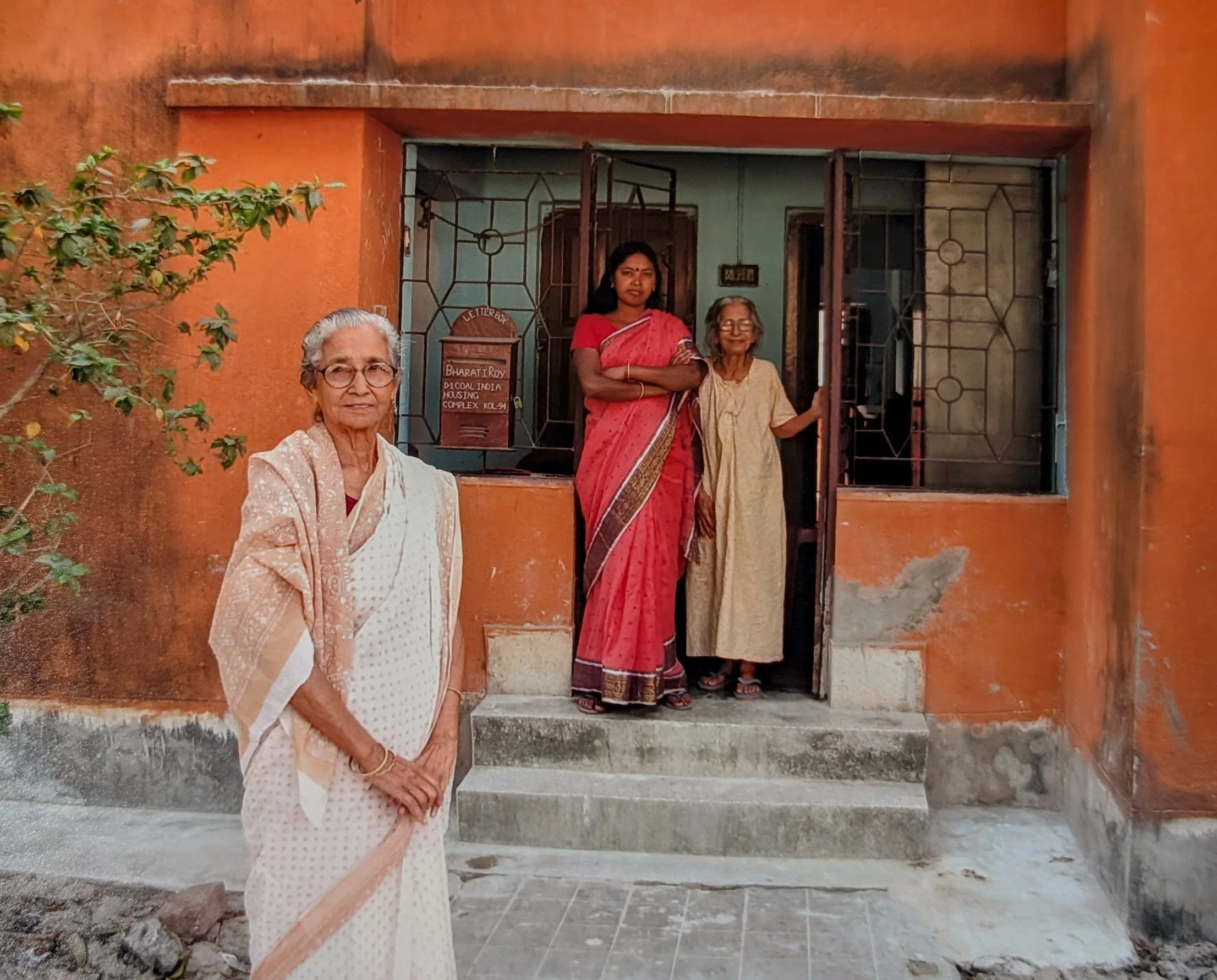
Sarah Lamb’s research places kinship at the center of questions surrounding aging, transnational migration, and intergenerational care. Her ethnographic work examines how families negotiate obligation, emotional attachment, inheritance, and caregiving across cultural and geographic boundaries. In both India and diasporic South Asian communities, she explores how kinship structures adapt to changing economic conditions, migration patterns, and evolving ideals of family responsibility.
In her research in both India and the United States, Lamb also investigates the cultural values that shape experiences of aging, dignity, dependence, and care. Her work critically examines the powerful American ideal of independence—and the widespread assumption that maintaining autonomy is essential to aging well—which can make the vulnerabilities and dependencies of later life especially difficult to accept. By contrast, her comparative research highlights alternative visions that place greater value on interdependence, relationality, and the moral significance of caregiving.
Her scholarship demonstrates that kinship is not simply a biological system, but an ongoing social practice shaped by morality, reciprocity, gender, and everyday acts of care.
Singleness
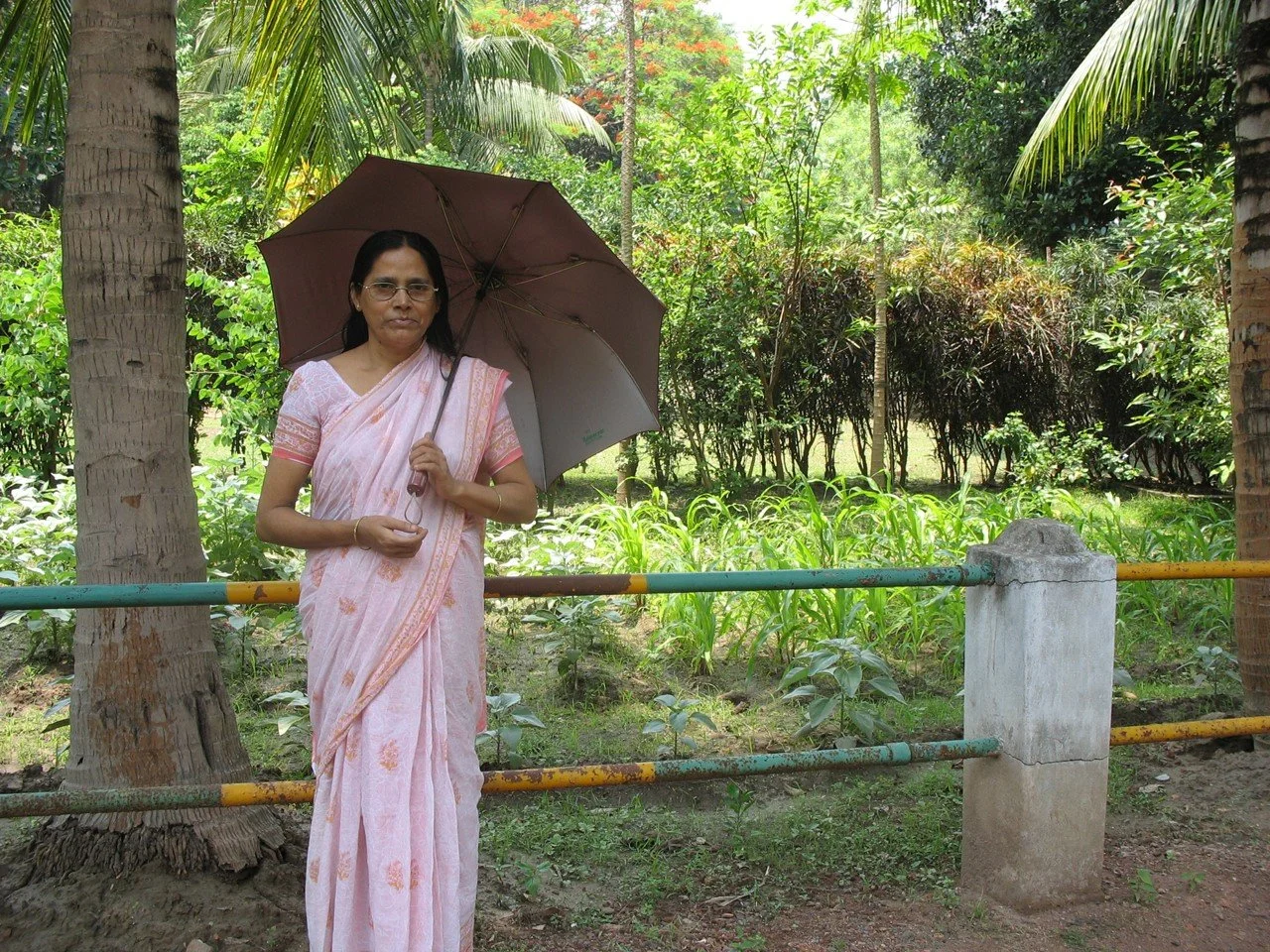
Today, the majority of the world’s population lives in a country with falling marriage rates, a phenomenon with profound implications for gender, sexuality, kinship, and social life. In Being Single in India: Stories of Gender, Exclusion, and Possibility, Sarah Lamb examines the lives of never-married women in India, exploring what makes living outside of marriage for women increasingly possible yet incredibly challenging. Through rich ethnographic accounts, Lamb shows how women living beyond the expectations of marriage illuminate broader social values surrounding gender, family, sexuality, social class, and belonging.
The project emerged from Lamb’s long-term research on aging and family in India, during which she encountered many compelling never-married women whose lives fell outside dominant social narratives. While earlier scholarship—including some of Lamb’s own work—had explored women who became single through widowhood or divorce, the phenomenon of women never marrying remained remarkably understudied and frequently dismissed as socially insignificant. Lamb’s work instead demonstrates how single women’s lives offer a powerful perspective on systems of compulsory marriage, heterosexuality, and patriliny, viewed from their social margins.
Beyond its contributions to South Asian studies and anthropology, Lamb’s work also engages the emerging interdisciplinary field of Singles Studies, helping to expand conversations about singlehood beyond Euro-American frameworks and assumptions.
Personhood
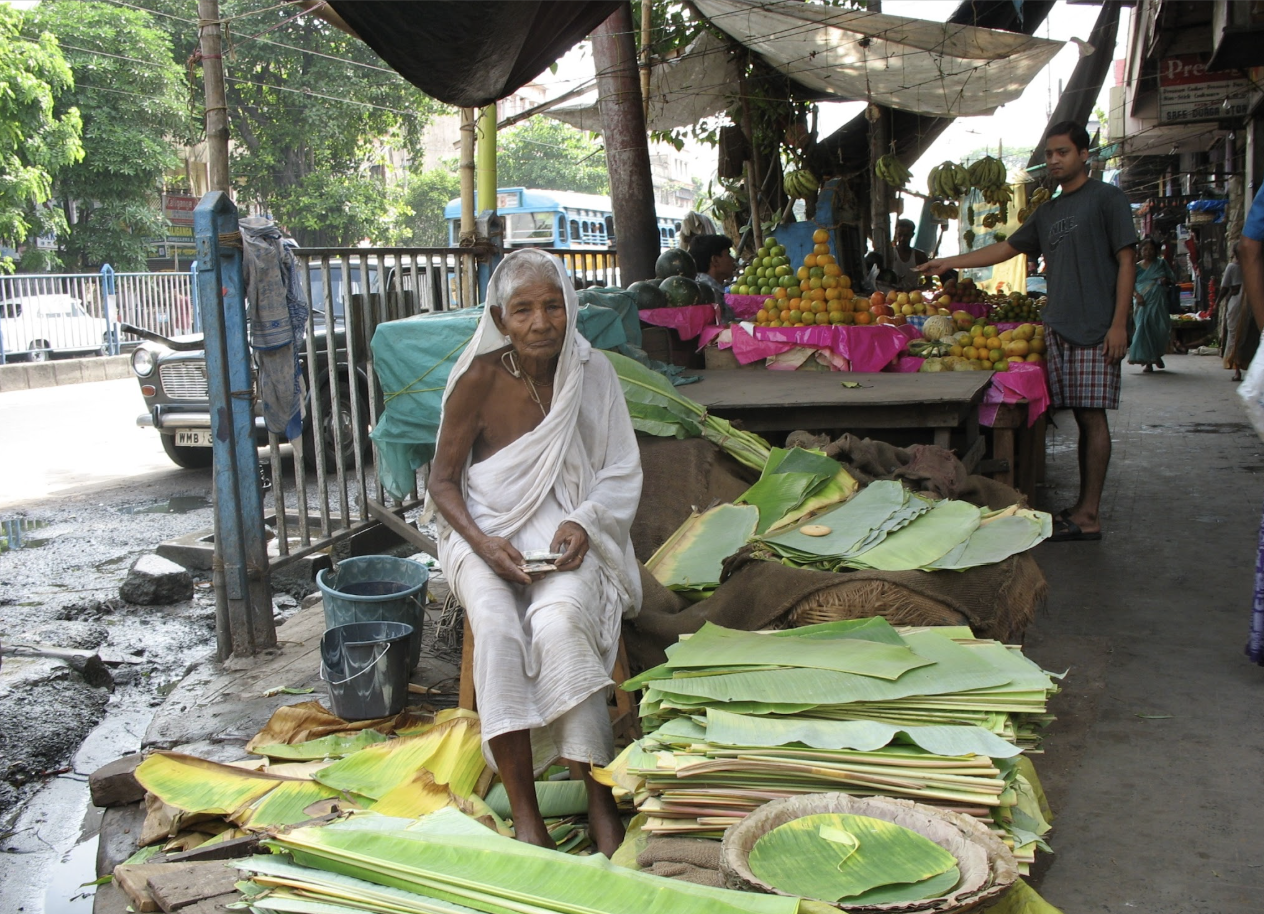
A central theme in Sarah Lamb’s scholarship is personhood, as she probes what it means to be a person and to live a meaningful human life. Her work explores how experiences of aging, family, gender, embodiment, and even singlehood raise fundamental questions about selfhood, morality, and the human condition. Across her ethnographic research in India and the United States, Lamb examines how people make sense of impermanence, bodily change, and mortality, and how cultural and religious traditions give meaning—or sometimes no meaning at all—to these experiences. By attending closely to everyday life and existential reflection, Lamb’s scholarship illuminates contrasting understandings of personhood: whether the self is imagined as autonomous or relational, enduring or changing, bounded or interdependent. In this way, Lamb’s scholarship links everyday social life to enduring existential questions about meaning, change, and mortality.
Selected Research Awards
(2019–2023) Andrew Carnegie Fellow. Carnegie Corporation of New York. United States, New York.
Project title: “Successful Aging’s Global Moment: Visions and Dilemmas of Aging Well."
(2018) Most-downloaded Ethos article of 2018: “Being Single in India.” American Anthropological Association. United States, Arlington.
(2005–2006) Fulbright-Hays Faculty Research Abroad Fellowship. Fulbright Association. United States, Washington, D.C.
(2004) Senior Short-Term Research Fellowship (declined in favor of Fulbright-Hays). American Institute of Indian Studies. United States, Chicago.
(2004) CIES Fulbright Research Fellowship (declined in favor of Fulbright-Hays). Fulbright Association. United States, Washington, D.C.
(1992–1993) Marc Galler Prize for Finest Doctoral Dissertation. Division of Social Sciences, University of Chicago. United States, Chicago.
Dissertation title: “Growing in the Net of Maya: Persons, Gender, and Life Processes in a Bengali Society.”
Basis of Lamb’s first book, White Saris and Sweet Mangoes (2000).
(1989–1990) Fulbright-Hays Doctoral Dissertation Research Abroad Fellowship. Fulbright Association. United States, Washington, D.C.
(1989–1990) Predoctoral Grant. Wenner-Gren Foundation. United States, New York